
Getting and Managing Your EU Driving Licence: Requirements, How to Apply, Renewal, and Categories
Getting and managing an EU driving licence involves clear, repeatable steps. This guide explains eligibility, the application and renewal processes, licence categories, and where to find required documents. If you need practical steps for applying for a driving licence , this article breaks the essentials into easy actions so you can complete the process with less delay.
Key Takeaways
- Most licences require minimum age, residency, and specific ID documents.
- Standard minimum age for car licences is usually 18.
- You must generally be resident where you apply.
- Typical documents: ID, proof of address, and sometimes a medical certificate.
- Renewal periods commonly range from 10 to 15 years.
- Many valid foreign licences can be exchanged locally.
- Categories cover motorcycles, cars, trucks, and buses.
- National authorities issue and administer licences.
What Are the EU Driving Licence Requirements?
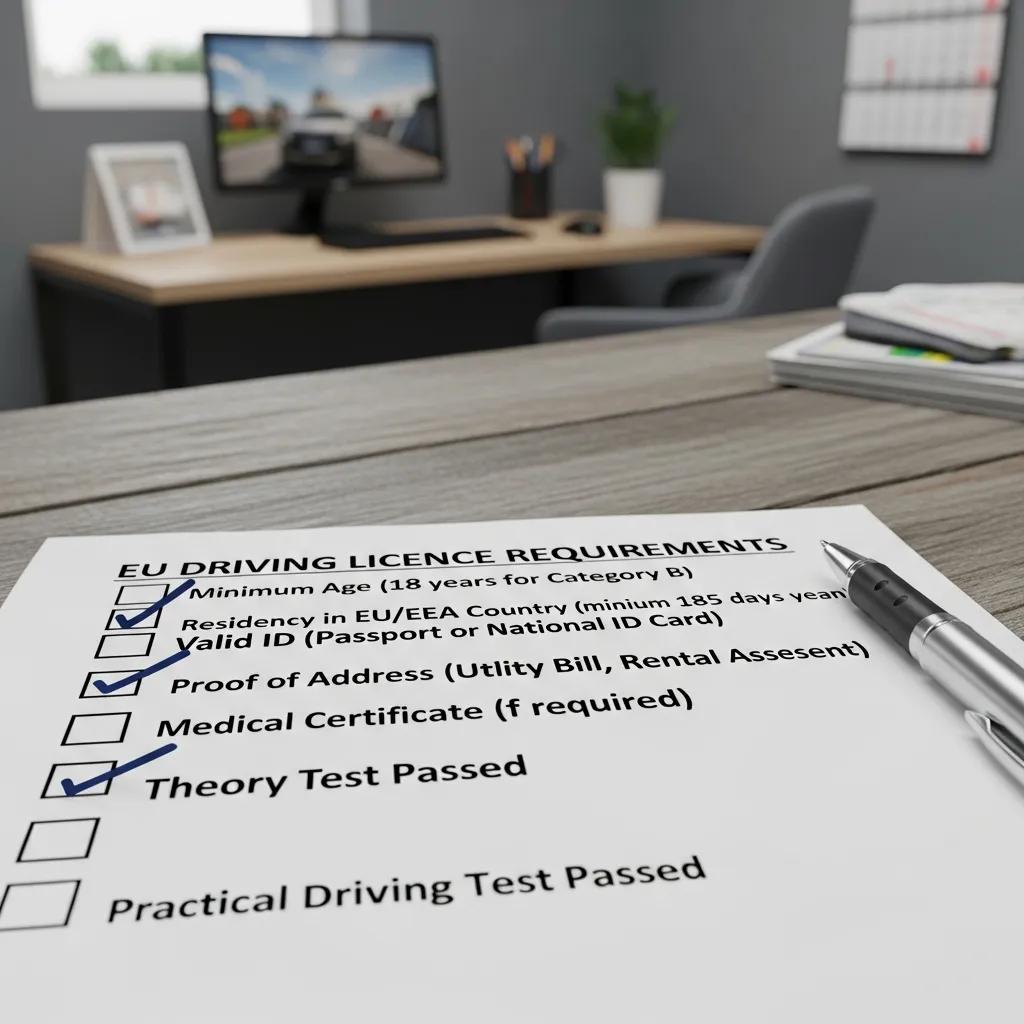
Member states vary, but most follow a common EU framework to keep road safety consistent. Know the typical age limits, residency rules, and required paperwork before you apply to avoid delays.
Who Is Eligible to Apply for an EU Driving Licence?
Eligibility normally includes the following core criteria:
- Age Requirements : For a standard car licence applicants are usually at least 18; some categories require older minimum ages.
- Residency Status : You must be resident in the country where you submit your application.
- Previous Driving Experience : Some categories or national rules ask for prior experience or completion of an approved course.
These baseline rules ensure drivers have sufficient maturity and training for public roads.
How to Apply for a European Driving Licence?
Applying follows a simple sequence: gather documents, complete forms, pass required tests or medical checks (if applicable), and submit the application to the designated authority. Following the standard steps reduces delays.
What Documents Are Needed to Apply for an EU Driving Licence?
Expect to provide a few standard documents:
- Identification Documents : Valid passport or national ID.
- Proof of Residency : Utility bills, rental agreement, or official address proof.
- Medical Certificates : Where required, a physician’s certificate confirming fitness to drive.
Medical checks are used in some member states to confirm driver fitness and may be required for issuance.
Prepare documents in advance — it speeds processing and lowers the chance of rejection.
Visual standards from EU directives also affect eligibility and renewals for many licence holders.
Which National Authorities Issue EU Driving Licences?
Specific authorities vary by country but commonly include:
- Ministries of Transport : Set rules and supervise licensing systems.
- Local Driving Schools : Provide training and help applicants with procedures.
- Traffic Departments : Process tests, applications, and issue licences.
Always confirm the exact procedure and contact details on the official website of your national authority.
What Is the EU Driving Licence Renewal Process?
Renewal rules depend on country and licence type. Typically, licences are renewed every 10–15 years; some categories require more frequent renewal or medical checks.
When and How Should You Renew Your EU Driving Licence?
Common renewal steps:
- Check Expiration Date : Note expiry early so you can start the renewal process.
- Gather Required Documents : ID, proof of residence; some renewals demand medical checks or new photos.
- Submit Application : Renew online (where available) or in person at the designated authority.
Renewing on time prevents fines or loss of driving privileges.
Can You Exchange a Foreign Licence for an EU Driving Licence?
In many EU countries a valid foreign licence can be exchanged for a local one. Typical steps include proving residency, presenting your foreign licence and ID, and submitting an exchange application to the national authority.
Recognition of licences across member states supports free movement and helps holders work and travel within the EU.
What Are the EU Driving Licence Categories and Their Validity?
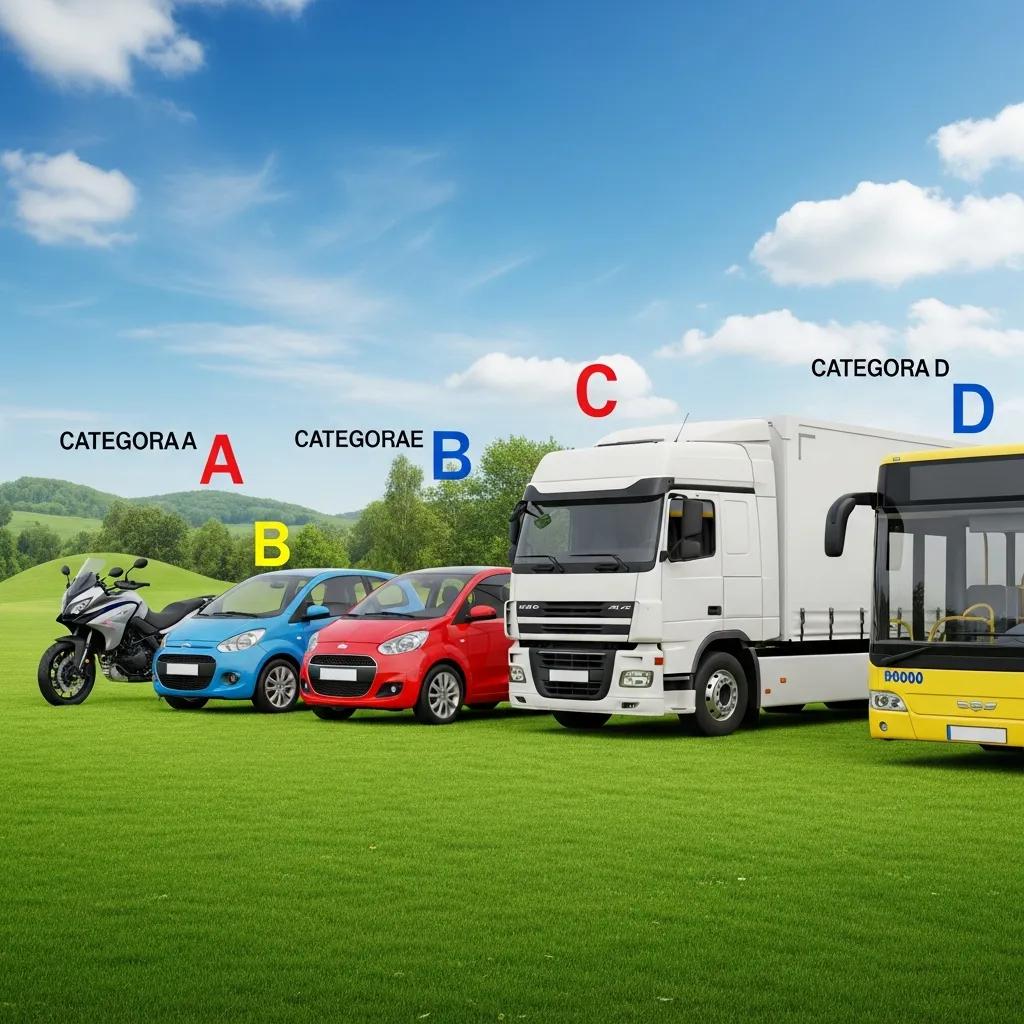
Licences are divided into categories so drivers only operate vehicles they are qualified for. Below is a concise overview of main groups.
Which Vehicle Types Correspond to Each EU Licence Category?
These categories help ensure drivers hold appropriate qualifications for the vehicles they operate.
Licence validity commonly falls between 10 and 15 years depending on issuing state and licence class. Keep track of renewal rules in your issuing country and monitor your licence to remain compliant with local laws .
Frequently Asked Questions
What should I do if my EU driving licence is lost or stolen?
Report the loss or theft to the police and your licensing authority immediately. You will typically need ID, proof of residency and possibly a police report to request a replacement.
Are there any age restrictions for specific driving licence categories?
Yes. Age limits vary by category and country. For example, full Category A motorcycle licences and Category D (buses) often require higher minimum ages. Check national rules for exact ages.
Can I drive in other EU countries with my national driving licence?
Generally yes — a valid EU national licence is accepted across member states. For non-EU licences or language issues, an International Driving Permit (IDP) may be advisable.
What happens if I fail the driving test?
Most countries permit retakes after a waiting period. Review examiner feedback, take further practice if needed, and confirm local rules on waiting times and attempt limits.
Is there a difference in driving licence fees across EU countries?
Yes. Fees vary by country and depend on administration, training and exam costs; some states add charges for medical checks or extra paperwork. Check the competent authority for exact fees.
How can I check the status of my driving licence application?
Use the official website or contact the national authority handling your application. Many countries offer online tracking with an application reference; driving schools may also be able to check for you.
What are the penalties for driving with an expired licence in the EU?
Penalties vary but can include fines, penalty points or other legal consequences. Renew before expiry to avoid sanctions and follow the issuing authority’s guidance.
Conclusion
Understanding eligibility, preparing documents, and following your national authority’s steps will make applying, renewing, or exchanging an EU driving licence straightforward. If unsure, contact your local licensing office for precise, country-specific guidance and start the process with the correct paperwork.