Introduction
Acquiring an EU driver’s licence is an essential step for many individuals looking to drive within the European Union. Whether you’re a resident of an EU country or a visitor, understanding the process of obtaining this licence can enhance your mobility and freedom of travel. This guide will provide a comprehensive overview of what an EU driver’s licence is, eligibility criteria, the application process, and the legal implications of buying a licence.
Understanding the EU Driver’s Licence
What is an EU Driver’s Licence?
The EU driver’s licence is a standardized driving permit recognized across all member states of the European Union. It is designed to facilitate cross-border travel and ensure that all drivers meet the same safety and competency standards. The licence format includes essential details such as the driver’s personal information, the vehicle categories they are licensed to drive, and security features to prevent forgery.
Benefits of Having an EU Driver’s Licence
Holding an EU driver’s licence comes with numerous advantages. Firstly, it allows for seamless travel across EU countries without the need for additional paperwork or permits. This is particularly useful for expats, students, or anyone traveling frequently within the EU. Additionally, the EU licence is accepted in many non-EU countries, further extending its utility.
Moreover, an EU licence typically comes with enhanced recognition and reliability, which can be beneficial when renting vehicles or dealing with insurance matters. It assures authorities that the driver has met the necessary competency standards, hence fostering a sense of safety on the roads.
Eligibility Criteria for an EU Driver’s Licence
Age Requirements
The minimum age for obtaining an EU driver’s licence varies by vehicle category, but generally, it starts from 18 years for cars. Some categories, such as motorcycles, may have a minimum age of 16 or 17, depending on the country. It’s crucial to check the specific regulations of the member state where you intend to apply, as they can have differing age requirements.
Residency Requirements
To apply for an EU driver’s licence, applicants usually need to be residents of the country where they are applying. This generally involves providing proof of residence, such as utility bills or rental agreements. In some cases, even tourists can obtain a temporary licence or an international driving permit if they meet age and health requirements.
Documentation Needed
When applying for an EU driver’s licence, applicants must present a variety of documents. These typically include a valid identity document (such as a passport or national ID), proof of residency, a completed application form, and possibly a medical certificate certifying fitness to drive. Depending on the country, you might also need to provide photographs and proof of passing a driving test.
The Process of Acquiring an EU Driver’s Licence
The process of acquiring an EU driver’s licence is governed by specific regulations that may vary by member state. Applicants must ensure that they have all required documentation ready before submission to facilitate a smooth application process. It is essential to understand the local driving regulations and requirements, including any necessary examinations. By adhering to these guidelines, individuals can successfully obtain their EU driver’s licence and enjoy the privileges of driving within the European Union.
Steps to Apply for an EU Driver’s Licence
The application process involves several key steps. First, you must gather all required documentation and submit your application to the relevant authority, which is often the local department of motor vehicles. Following that, you may be required to schedule and take a theoretical knowledge test, which covers traffic laws and safe driving practices.
Once you have successfully passed the theoretical test, you will need to take a practical driving test. This includes demonstrating your ability to operate a vehicle safely and knowledge of traffic regulations. If you pass both tests, you will then be issued your EU driver’s licence.
Taking the Driving Test
The driving test consists of two components: a theoretical exam and a practical driving assessment. The theoretical test usually comprises multiple-choice questions on traffic laws, road signs, and safe driving practices. It may be conducted in your native language or other available languages, depending on the country.
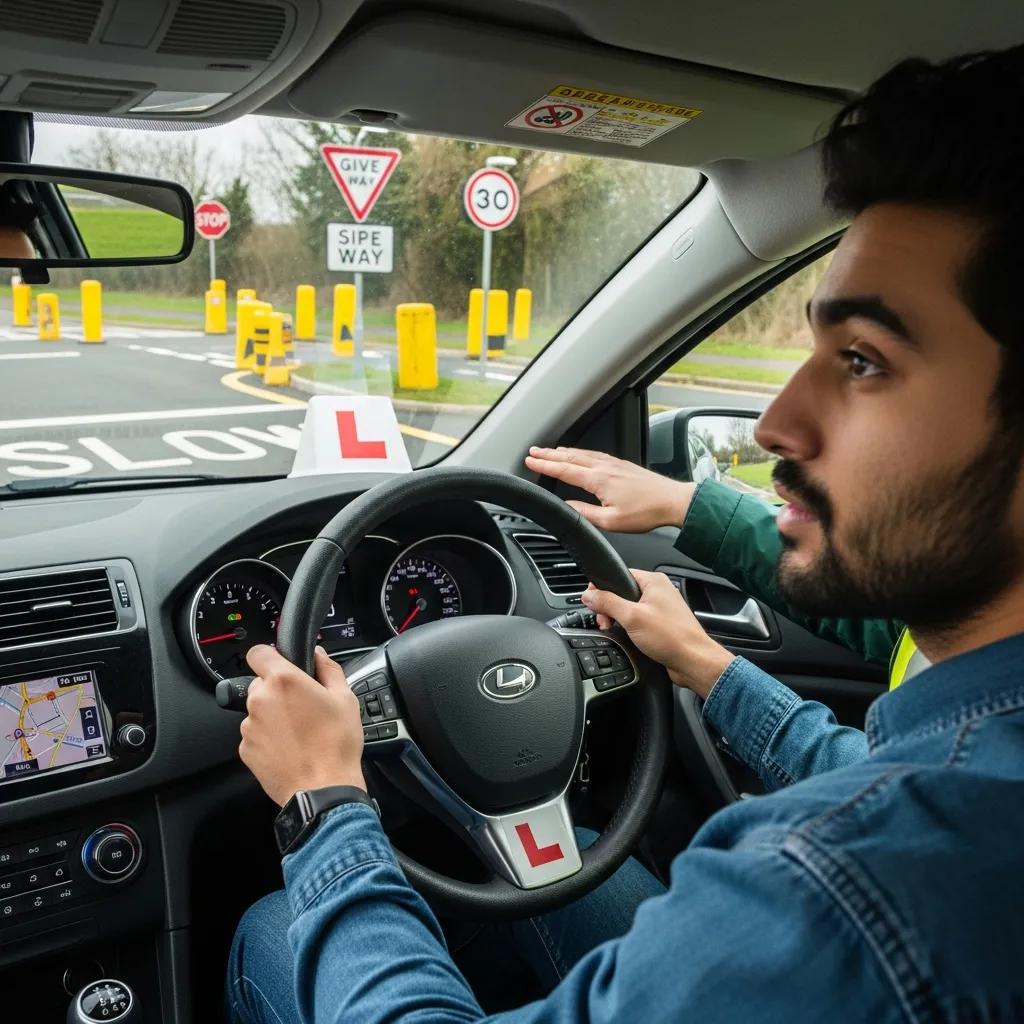
The practical driving test evaluates your ability to handle a vehicle in real traffic conditions. You will be assessed on various skills, including your ability to maneuver, obey traffic signals, and perform emergency stops. Failing to pass either component may require you to retake the test after a specified period.
Costs Involved
The costs associated with obtaining an EU driver’s licence can vary significantly depending on the country and the specific requirements in place. Typical expenses include application fees, fees for taking the theoretical and practical tests, and costs for lessons if you choose to take driving lessons beforehand. On average, applicants can expect to pay anywhere from €200 to €1,000, depending on these factors.
It’s advisable to budget for additional costs, such as the purchase of study materials for the theoretical test and any potential re-testing fees if you do not pass on your first attempt. Checking the local regulations for exact fee structures can help in planning accordingly.
Buying an EU Driver’s Licence
Legality of Purchasing a Licence
While some individuals may consider buying an EU driver’s licence from unofficial sources, it is essential to understand that this practice is illegal. Purchasing a licence may seem like a quick and easy solution, but it carries serious legal consequences, including fines and potential imprisonment. Additionally, the procurement of a falsified licence undermines road safety and can put both the buyer and other road users at risk.
Risks Associated with Buying a Licence
Aside from the legal repercussions, buying a driver’s licence poses several risks. The most pressing risk is the likelihood of being caught by law enforcement, which can damage your reputation and lead to criminal charges. Additionally, many counterfeit licences are not recognized by EU authorities, rendering them ineffective when attempting to drive legally.
Furthermore, individuals who opt for this path are not receiving proper training or education on road safety. This lack of knowledge can result in dangerous driving behavior, endangering not only the driver but also passengers and other road users. Ultimately, acquiring a license through legitimate channels is the only way to ensure compliance with regulations and personal safety.
Alternatives to Buying a Licence
Instead of considering illegal purchase options, individuals should explore legitimate pathways to obtaining their EU driver’s licence. For those who may be struggling with the standard testing process, many driving schools offer preparation courses that help candidates become familiar with the tests and improve their chances of success.
Additionally, some countries allow for the conversion of non-EU licences to an EU format, provided that the original licence was issued in a country with reciprocal agreements. This can save time and resources, allowing drivers to legally operate vehicles across the EU without the need to undergo the complete testing process again.
Conclusion
Acquiring an EU driver’s licence is a significant step that opens doors to enhanced mobility and opportunities across Europe. Understanding the requirements and processes involved is crucial for a smooth application experience. It’s vital to comply with legal pathways to ensure safety and legitimacy on the road. Driving is not just a privilege; it’s a responsibility that should be taken seriously.
By following the appropriate steps — from understanding eligibility criteria to preparing for driving tests — individuals can successfully obtain their EU driver’s licence and enjoy the freedom that comes with it.
FAQs
1. How long does it take to obtain an EU driver’s licence?
The timeline for obtaining an EU driver’s licence varies by country but generally takes several weeks to months, depending on individual circumstances, availability of tests, and preparation time.
2. Can I drive in the EU with a non-EU driver’s licence?
Yes, in most cases, you can drive in the EU with a valid non-EU driver’s licence for a limited period. However, it’s advisable to check specific regulations of each member state.
3. What happens if I fail the driving test?
If you fail the driving test, you will typically need to wait a specified period before re-taking it. Many countries require you to pay a re-testing fee as well.
4. Can EU driver’s licences be renewed?
Yes, EU driver’s licences can usually be renewed before their expiration date. The process may involve submitting updated identification documents and possibly passing a medical examination.
5. Are there any health requirements to obtain an EU driver’s licence?
Yes, many countries require a medical certificate confirming that you are fit to drive. This often includes vision tests and checks for medical conditions that could impair your ability to drive safely.